
Three winters ago, a homeowner in Marysville, Ohio, paid good money for a wood privacy fence. By spring, two panels had warped beyond repair, one post had heaved out of the ground, and the fence was already showing signs of neglect. By summer, she was calling for a full replacement estimate.
That story is not unusual, and it highlights one critical truth: choosing the best fence material for Midwest climate conditions is not optional; it is essential.
The Midwest doesn’t forgive poor fencing decisions. Ohio alone swings from brutal sub-zero winters to humid, storm-heavy summers, and your fence absorbs every bit of that stress. The wrong material can fail in just a few years. The right one can last decades with minimal maintenance.
In this guide, you’ll learn how to choose the best weather-resistant fencing for Midwest climate durability, what actually holds up in Ohio weather, and how to avoid costly mistakes from the start. These insights are based on real-world installation experience from Scheiderer Fencing across Midwest properties.
What Makes Midwest Climate So Tough on Fences?
Before choosing the best fence material for Midwest climate conditions, it’s important to understand what your fence is actually up against.
The Midwest, including Ohio, Indiana, Illinois, Michigan, and Wisconsin, experiences one of the most extreme weather cycles in the country. Temperatures can swing from -10°F in winter to 95°F in summer. That massive range causes fencing materials to expand and contract constantly, leading to cracks, warping, and structural stress over time.
On top of temperature swings, Midwest fences face multiple environmental challenges:
- Heavy snow loads that strain horizontal rails
- Freeze-thaw cycles that push fence posts out of the ground
- Spring storms with winds reaching 40–60 mph
- High humidity that accelerates wood rot and metal corrosion
- Water-saturated soil that weakens post foundations
A fence that performs well in dry climates like Arizona will not hold up the same way in Ohio. To ensure long-term durability, you must choose the most durable fence materials for Midwest climate conditions based on real weather exposure, not just appearance or cost.
Best Fencing for Harsh Climates: Midwest Materials Ranked and Compared
1. Vinyl Fencing: Best Low-Maintenance Option for Harsh Weather Conditions
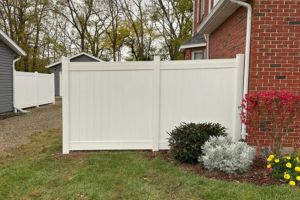
Vinyl (PVC) fencing has become a top choice for homeowners dealing with extreme seasonal changes. It does not rot, rust, or absorb moisture, and insects cannot damage it. Once installed, it requires no painting or staining, making it ideal for long-term, low-maintenance living.
However, not all vinyl fencing performs the same. Lower-grade, thin-gauge vinyl can become brittle and crack in freezing temperatures. High-quality vinyl with UV inhibitors and cold-weather additives is designed to handle harsh winters and year-round exposure without failure.
Pros:
- Zero maintenance
- Moisture-resistant (no rot or rust)
- Long lifespan (20–30+ years)
- Ideal for privacy fencing
Cons:
- Higher upfront cost
- Low-quality vinyl may crack in extreme cold
- Limited color flexibility
Best for: Residential privacy fencing, backyard enclosures, and pet containment.
Quick Summary:
- Lifespan: 20–30+ years
- Maintenance: None
- Durability Rating: Excellent
2. Pressure-Treated Wood: Most Cost-Effective Fencing Option
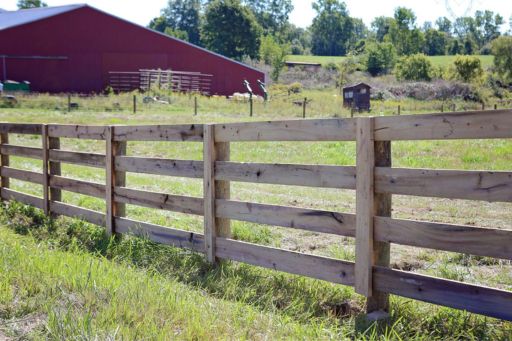
Pressure-treated wood remains one of the most practical choices for homeowners looking for durability at a lower upfront cost. The treatment process helps resist moisture, insects, and decay, making it suitable for humid and variable environments.
That said, it requires regular upkeep. Sealing or staining every few years is necessary to prevent cracking, warping, and long-term deterioration.
Pros:
- Cost-effective
- Strong and widely available
- Resistant to rot and insects
- Customizable with paint or stain
Cons:
- Requires maintenance every 2–3 years
- Can warp or crack over time
- Chemicals may leach near garden areas
Best for: Budget-conscious homeowners, property boundaries, and rural fencing.
Quick Summary:
- Lifespan: 15–25 years
- Maintenance: Moderate
- Durability Rating: Good
3. Cedar Wood Fencing: Best Natural Weather-Resistant Wood
Cedar is a premium wood option known for its natural resistance to moisture and insects. Unlike treated lumber, it does not rely on chemicals, making it a preferred option for families and garden-friendly spaces.
It is also more dimensionally stable than standard pine, meaning less warping and shrinking through seasonal changes. Over time, it develops a natural silver-gray finish if left untreated.
Pros:
- Naturally resistant to rot and insects
- Attractive wood grain
- More stable than standard wood
- No chemical treatment
Cons:
- Higher cost than pressure-treated wood
- Benefits from occasional sealing
- Slightly less rigid in high winds
Best for: Homeowners who want a natural look with better durability.
Quick Summary:
- Lifespan: 20–30 years
- Maintenance: Low to Moderate
- Durability Rating: Very Good
4. Aluminum Fencing: Best Rust-Resistant Metal Fence
Aluminum fencing stands out for its ability to perform in moisture-heavy environments without corrosion. Unlike steel or iron, it does not rust, making it highly reliable in regions with long wet seasons.
It also handles freezing temperatures well, maintaining structural integrity without becoming brittle. Powder-coated finishes help retain appearance for decades.
Pros:
- Rust-proof
- Very low maintenance
- Excellent performance in cold weather
- Long lifespan (30–50 years)
Cons:
- Not suitable for privacy
- Can dent under heavy impact
- Higher upfront cost
Best for: Decorative fencing, pool enclosures, and front yard boundaries.
Quick Summary:
- Lifespan: 30–50 years
- Maintenance: None
- Durability Rating: Excellent
5. Steel & Chain Link Fencing: Best for Strength and Wind Exposure
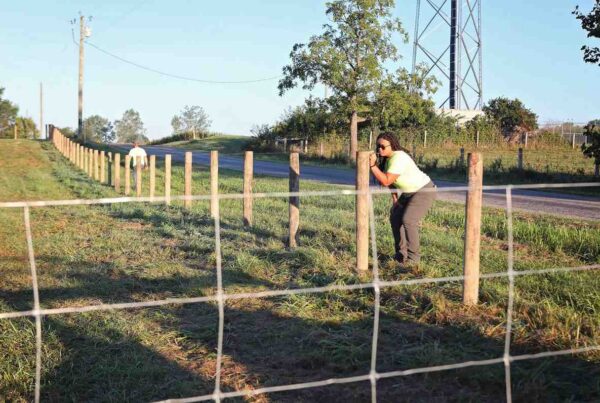
For large properties or areas exposed to strong winds, steel and chain link fencing provide exceptional structural strength. Their open design allows wind to pass through, reducing pressure on posts during storms.
Galvanized coatings protect against corrosion, ensuring long-term durability even in challenging outdoor conditions.
Pros:
- Extremely durable
- High wind resistance
- Cost-effective for large areas
- Long-lasting with proper coating
Cons:
- No privacy
- Industrial appearance
- Can rust if the coating is damaged
Best for: Agricultural land, large perimeters, and security fencing.
Quick Summary:
- Lifespan: 20–30 years
- Maintenance: Low
- Durability Rating: Very Good
6. Composite Fencing: Premium Long-Term Investment
Composite fencing combines wood fibers and plastic to create a material that offers both durability and aesthetic appeal. It resists moisture, insects, and rot while maintaining a natural wood-like appearance.
It performs especially well in environments with frequent freeze-thaw cycles because it does not absorb water like traditional wood.
Pros:
- Wood-like appearance
- Resistant to rot and insects
- Minimal maintenance
- Long-term durability
Cons:
- Highest upfront cost
- Can fade without UV protection
- Heavier installation
Best for: Long-term homeowners seeking durability with minimal upkeep.
Quick Summary:
- Lifespan: 25–30 years
- Maintenance: Very Low
- Durability Rating: Excellent
Fence Material Comparison: Midwest Climate at a Glance
Choosing the right long-lasting fence options in the Midwest comes down to long-term performance, not just appearance. Different materials respond differently to freeze-thaw cycles, high humidity, and strong winds, which directly impact durability and maintenance.
Here’s how the most popular fencing options compare in real Midwest weather conditions:
Vinyl Fencing
- Best for: Low-maintenance residential fencing
- Performance: Resistant to moisture, rot, and insect damage
- Long-term value: High for homeowners seeking weather-resistant fencing solutions
- Consideration: Higher upfront cost
Ideal for homeowners looking for a low-maintenance fence option that performs well in humid and cold climates.
Pressure-Treated Wood
- Best for: Cost-effective fencing projects
- Performance: Strong but requires regular sealing in moisture-prone environments
- Long-term value: Moderate, depending on upkeep
- Consideration: Susceptible to warping and cracking over time
Suitable for those wanting an affordable fence material with moderate durability in changing weather conditions.
Cedar Wood
- Best for: Natural wood fencing with better weather resistance
- Performance: Naturally resistant to moisture and insects
- Long-term value: Good for homeowners prioritizing natural and durable fencing materials
- Consideration: Higher cost than standard wood
A strong option for those wanting a visually appealing fence that performs well in outdoor environments.
Aluminum Fencing
- Best for: Decorative and long-lasting installations
- Performance: Rust-proof and stable in cold and wet conditions
- Long-term value: Very high due to minimal maintenance needs
- Consideration: Does not provide privacy
Ideal for homeowners needing a durable metal fence that withstands extreme weather without corrosion.
Steel / Chain Link Fencing
- Best for: Strength and large property coverage
- Performance: Handles high-wind exposure due to open design
- Long-term value: High for security and agricultural fencing needs
- Consideration: Limited aesthetics and privacy
Best suited for wind-resistant fencing and large-scale property protection.
Composite Fencing
- Best for: Premium long-term investment
- Performance: Resistant to moisture, rot, and seasonal expansion
- Long-term value: High for those seeking long-lasting fencing materials with minimal upkeep
- Consideration: Higher initial cost
Perfect for homeowners wanting a durable alternative to wood that handles seasonal weather changes effectively.
Wood vs. Vinyl Fence: Which Option Performs Better in Midwest Weather?
This is one of the most common questions homeowners ask when comparing fencing options, and the answer depends on what matters most: maintenance, cost, or long-term durability.
Maintenance: Vinyl Requires Less Upkeep
Vinyl fencing is a low-maintenance solution that does not require staining, sealing, or repainting. It performs consistently well in humid climates and seasonal weather changes.
Wood fencing, by comparison, requires regular sealing or staining. Without it, exposure to moisture can lead to gradual deterioration.
Best for low maintenance: Vinyl fencing
Repairs: Wood Is Easier to Fix
Wood fences are easier and more affordable to repair. Individual boards can be replaced without affecting the entire structure.
Vinyl fencing can be harder to repair, especially when matching older panels or discontinued styles.
Best for easy repairs: Wood fencing
Moisture Resistance: Vinyl Performs Better
Vinyl does not absorb water, making it a strong choice for moisture-prone environments and rainy conditions.
Wood absorbs moisture naturally, which can lead to swelling, warping, and long-term decay if not properly maintained.
Best for wet conditions: Vinyl fencing
Upfront Cost: Wood Is More Affordable
Pressure-treated wood typically has a lower upfront cost compared to vinyl fencing, making it a popular option for budget-conscious homeowners.
Best for lower initial investment: Wood fencing
Final Verdict
- Choose vinyl fencing for a low-maintenance, weather-resistant solution
- Choose wood fencing for a budget-friendly option with easier repairs
Cedar vs. Pressure-Treated Wood: Which Performs Better Over Time?
Both wood options perform well, but they serve different priorities.
Pressure-Treated Wood: Strong and Budget-Friendly
- Better for ground contact durability
- Performs well in moist soil conditions
- Lower upfront cost
Ideal for structural strength and affordability
Cedar Wood: Naturally Durable and Stable
- Naturally resistant to moisture and insects
- More dimensionally stable in seasonal temperature changes
- No chemical treatment
Ideal for aesthetics and natural performance
Verdict
- Choose pressure-treated wood for cost and strength
- Choose cedar for natural durability and appearance
Vinyl vs. Aluminum Fence: Which Is Better for Cold Weather?
Both materials are durable, but they behave differently in extreme conditions.
Aluminum Fencing: Superior in Extreme Cold
- Does not become brittle in freezing temperatures
- Minimal expansion and contraction
- Rust-resistant in wet conditions
Best for cold climates and long-term durability
Vinyl Fencing: Reliable with Quality Material
- Performs well when using thick, high-quality panels
- Resistant to moisture and seasonal wear
Best for balanced performance and privacy needs
Verdict
- In moderate Midwest climates, both perform well
- In extreme cold regions, Aluminum has the edge
How to Choose the Right Fence for Your Property
Choosing the right weather-resistant fencing solution depends on your specific needs and environment.
Ask yourself:
- What is your goal?
Privacy, security, aesthetics, or pet safety - How much maintenance are you willing to handle?
Low-maintenance options save time long-term - What is your budget?
Consider both upfront and long-term costs - How exposed is your property?
Open areas need wind-resistant fencing solutions - How long will you stay in your home?
Long-term plans favor durable, low-maintenance materials
These factors help determine the most suitable fencing option for your situation.
Tips to Extend the Life of Your Fence
- Install posts below the frost line to prevent shifting
- Use proper drainage to avoid water buildup
- Inspect your fence after winter for damage
- Apply sealant regularly to wood fencing
- Choose materials suited for seasonal weather conditions
Frequently Asked Questions
What is the most durable fence material for extreme weather conditions in the Midwest?
Aluminum and galvanized steel are among the most durable fencing options because they resist rust, moisture, and extreme temperature changes over time.
What type of fence is best for cold climates and high-wind areas?
Chain link and aluminum fencing perform best in these conditions, as their design allows wind to pass through while maintaining structural stability.
Which fencing materials perform best during freezing winters and snow conditions?
Aluminum, vinyl, and galvanized steel handles freeze-thaw cycles, snow loads, and sub-zero temperatures without significant damage.
What is the best low-maintenance fence for Midwest weather?
Vinyl and aluminum fencing are the best low-maintenance options because they do not require painting, sealing, or frequent repairs.
Is composite fencing a good option for changing climates?
Yes, composite fencing is highly durable and resists moisture, rot, and insects, making it a strong option for areas with seasonal weather changes.
Ready to Choose the Right Fence?
At Scheiderer Fencing, we help homeowners, businesses, and property owners across Ohio choose fencing solutions built specifically for Midwest conditions. From residential fencing to commercial and agricultural projects, our team focuses on durability, proper installation, and long-term performance.
Get a free, no-obligation estimate and find the right fencing solution for your property. Get Your Free Fence Estimate Today.