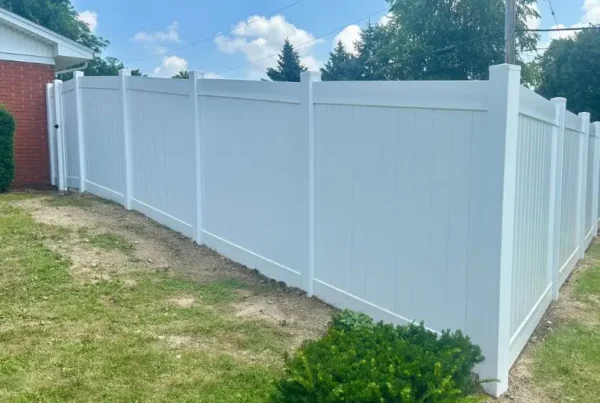
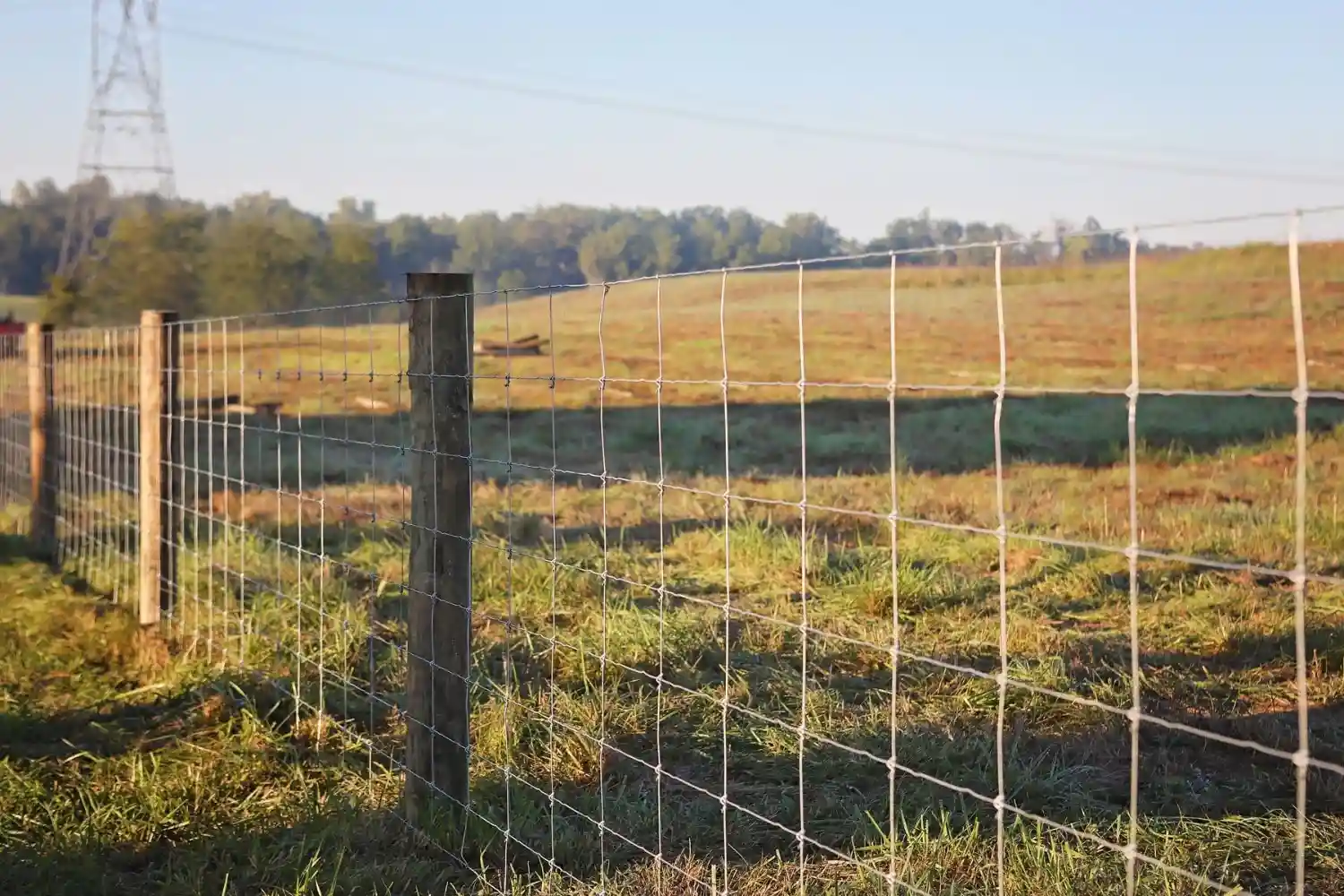
Installing a fence is one of the most common home improvement projects in the United States. Homeowners choose fencing for privacy, safety, property value, and aesthetic appeal. However, many people only focus on the initial estimate without realizing that the true cost of installing a fence can be higher than expected.
While quotes often include materials and basic labor, several additional expenses can appear during the installation process. Understanding these hidden costs helps homeowners plan a realistic budget and avoid unexpected financial surprises.
Working with an experienced contractor such as Scheiderer Fencing can help homeowners identify these costs early and plan a smoother installation process.
Below are some of the most overlooked costs associated with fence installation.
Permit and Local Regulation Costs
Before installing a fence, many cities and counties require permits or approvals. These regulations are designed to ensure fences meet local zoning rules and safety standards.
Permit costs can range from $50 to several hundred dollars, depending on the location and the size of the project.
Local rules may regulate:
-
Fence height
-
Materials used
-
Distance from property lines
-
Visibility near intersections
Failing to follow these regulations could result in fines or even having to remove the fence.
Property Survey Expenses
One of the most common hidden costs is a professional property survey.
Many homeowners assume they know where their property lines are, but installing a fence in the wrong place can lead to disputes with neighbors.
A professional survey typically costs between $300 and $1,000, depending on the property size and complexity.
Although it adds to the upfront expense, it can prevent expensive legal conflicts later.
Land Preparation and Clearing
Fence installation often requires preparing the land before construction begins.
This preparation may involve:
-
Removing bushes or small trees
-
Clearing rocks or debris
-
Leveling uneven ground
-
Removing an old fence
If the land contains roots or rocky soil, additional labor and equipment may be needed, increasing the overall project cost.
Gate Installation Costs
Many homeowners include gates for accessibility and convenience. However, gates require additional materials and structural reinforcement.
The price of gates depends on size, materials, and hardware. A basic gate may cost $150 to $600, while larger or customized gates can exceed $2,000.
Extra Materials and Construction Supplies
Even well-planned projects often require additional materials.
Contractors usually account for:
-
Extra fence panels
-
Additional posts
-
Concrete for stabilization
-
Hardware and connectors
Unexpected terrain changes or measurement adjustments may increase the total materials used.
If you want to understand pricing in more detail, reviewing the average fence installation cost per foot can help homeowners estimate their overall budget more accurately.
Labor and Installation Complexity
Labor is one of the biggest components of fencing costs.
Several factors can increase installation time, including:
-
Sloped landscapes
-
Hard or rocky soil
-
Limited access to the property
-
Long property boundaries
Complex terrain often requires additional labor hours, which increases the final project price.
Utility Line Inspections
Before digging fence post holes, it is essential to confirm the location of underground utility lines.
Utility companies may inspect the property to identify gas lines, water pipes, or electrical cables.
Damaging a utility line can result in expensive repairs and safety risks, which is why this step should never be skipped.
Long-Term Maintenance Costs
Many homeowners overlook the long-term maintenance required to keep a fence in good condition.
Maintenance requirements depend on the type of fencing installed.
For example:
-
Wood fences may require staining or sealing
-
Metal fences may need rust protection
-
Vinyl fences require occasional cleaning
Proper maintenance helps extend the lifespan of the fence and preserve its appearance.
Homeowners with large properties, farms, or commercial facilities often choose specialized fencing solutions such as commercial fencing or agricultural fencing, which are designed for durability and long-term performance.
Repair and Replacement Costs
Over time, fences may experience wear and damage due to weather, accidents, or aging materials.
Common repairs include replacing:
-
Fence panels
-
Posts
-
Gates
-
Hardware components
Setting aside a small maintenance budget ensures your fence continues to function effectively for years.
Why Professional Installation Matters
While DIY fencing projects may seem like a way to save money, professional installation often prevents costly mistakes.
Experienced contractors understand local regulations, soil conditions, and proper installation techniques. This expertise helps ensure the fence is installed correctly the first time.
Professional companies like Scheiderer Fencing also guide materials, design, and long-term durability, helping homeowners make informed decisions.
Final Thoughts
Fence installation is an excellent investment for privacy, security, and property value. However, the total cost often includes more than just materials and installation.
Homeowners should consider:
-
Permit fees
-
Land preparation
-
Property surveys
-
Additional materials
-
Maintenance costs
Understanding these hidden costs allows homeowners to budget effectively and avoid surprises during their project.
With proper planning and expert guidance, installing a fence can significantly enhance the functionality and appearance of your property.
FAQs
What hidden costs should homeowners expect when installing a fence?
Hidden costs may include permits, land preparation, property surveys, additional materials, gate installation, and long-term maintenance.
How much extra should you budget for a fence installation project?
Experts recommend budgeting 10–20% more than the initial estimate to cover unexpected expenses during installation.
Does terrain affect the cost of fence installation?
Yes. Sloped land, rocky soil, or difficult access points can increase labor time and installation costs.
Is professional fence installation worth the cost?
Professional installation helps ensure proper placement, compliance with local regulations, and long-term durability, which can save money on repairs in the future.