
If you’ve ever walked out to a pasture and found a gate down or an animal on the wrong side of the line, you already know fencing isn’t a “set it and forget it” job. After years spent around Ohio farms from clay-heavy ground in the west to rockier soil near the foothills, I’ve seen nearly every fence type tested by mud, frost heave, and a stubborn herd of cattle. This guide breaks down the best livestock fence options for farms in Ohio and how to pick the right one for your land and animals.
What Is the Best Fence for Livestock on Ohio Farms?
There isn’t a single “best” livestock fence; it depends on the animals you raise, your budget, and how Ohio’s freeze-thaw cycles and clay soil affect your land. Cattle farmers usually lean toward high-tensile wire or woven wire, while horse owners often prefer wood rail or vinyl for visibility and safety. Goat and sheep producers need tighter mesh spacing since these animals are notorious escape artists. If you’re unsure which option fits your property, consulting trusted fence installation experts can help you choose a solution that balances durability, safety, and long-term value. Below are the six livestock fencing options that consistently perform well across Ohio farms.
1. High-Tensile Wire Fencing

High-tensile wire fencing is one of the most popular livestock fence options for Ohio cattle farms because it’s strong, flexible, and built to last 30–50 years with basic upkeep. The wire flexes under pressure instead of snapping, which matters when a 1,200-pound animal leans into it, and it’s affordable per foot, making it a smart pick for large acreage.
2. Woven Wire Fencing

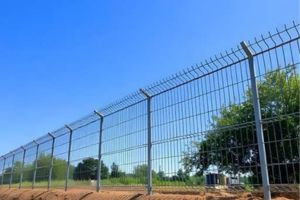
Woven wire (also called field fence) is the go-to for farms running cattle, sheep, goats, or mixed livestock. The tight grid pattern stops smaller animals from squeezing through and adds predator protection that single-strand wire can’t match. It costs more upfront than high-tensile wire but pays off in versatility.
3. Electric Fencing
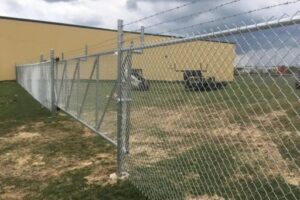
Electric fencing is the most budget-friendly livestock fence for Ohio farms practicing rotational or strip grazing. It relies on psychological containment rather than brute strength, so it’s quick to install and easy to move as pastures rotate. It works well for cattle, horses, and poultry, though it needs a reliable power source and occasional voltage checks during snowy winters.
4. Wood Post-and-Rail Fencing
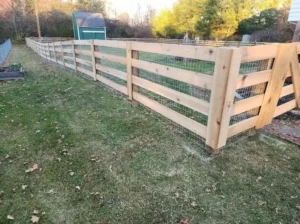
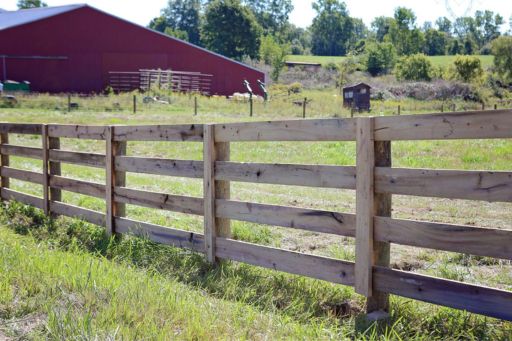
Traditional wood board fencing, including 3-rail and 4-rail Kentucky-style designs, remains a favorite for horse farms across Ohio. It’s highly visible, which reduces injury risk and adds undeniable curb appeal. The tradeoff is maintenance, wood needs periodic staining and replacement every 10–15 years.
5. Vinyl Fencing

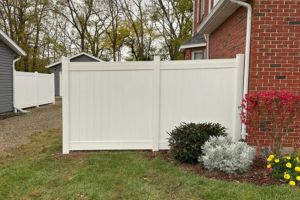
Vinyl fencing gives you the look of a board fence without rotting, splintering, or repainting. It holds up well through Ohio’s hot summers and freezing winters, and its smooth, rounded rails reduce the risk of cuts on horses and cattle. Expect a higher upfront cost, but decades of minimal upkeep afterward.
6. Cattle Panels

Cattle panels aren’t meant for fencing an entire pasture, but they’re unbeatable for corrals, working pens, loading areas, and gates. They’re rigid, fast to install, and tough enough to handle constant pressure in tight spaces.
How Tall Should a Livestock Fence Be?
Fence height depends on the animal. Cattle fencing should generally run 48 to 60 inches tall to discourage leaning and jumping. Horse fencing typically runs 54–60 inches for safety. Goats and sheep need tighter spacing between rails or mesh, often starting closer to the ground, since they’re more likely to slip through gaps than jump over them.
What Is the Cheapest Way to Fence in Livestock?
Electric fencing is generally the most affordable livestock fencing option for Ohio farms, followed by high-tensile wire. Both cost less in materials and labour than woven wire, vinyl, or wood. If the budget is tight, many farmers use electric fencing for interior pasture divisions and reserve sturdier materials like woven wire for the perimeter.
Fencing Tips for Ohio’s Climate and Terrain
Ohio’s freeze-thaw cycles can heave posts out of the ground over time, so setting posts below the frost line and anchoring with concrete or gravel makes a real difference in longevity. Clay-heavy soil in many counties also drains slowly, which can rot wood posts faster, pressure-treated or vinyl-sleeved posts hold up better. It’s worth checking with your local Soil and Water Conservation District or the Ohio State University Extension office before installing fencing near streams or wetlands, since some areas have setback requirements.
How to Choose the Right Fence for Your Ohio Farm
Start by identifying the livestock you’re containing, since cattle, horses, and small ruminants all have different needs. Walk your property to note terrain changes, drainage patterns, and existing structures the fence needs to tie into. Then balance upfront cost against long-term maintenance; a cheaper fence that needs yearly repairs can cost more over a decade than a pricier, low-maintenance option.
Frequently Asked Questions
What is the best fence for cattle?
High-tensile wire and woven wire are generally considered the best fencing options for cattle. Both are strong enough to handle the pressure of large livestock, and high-tensile wire in particular can last several decades with minimal maintenance.
How much does livestock fencing cost in Ohio?
Costs vary by material, but electric and high-tensile wire fencing tend to be the most affordable per foot, while woven wire, wood rail, and vinyl fencing cost more upfront due to materials and installation labour. Terrain, post spacing, and gate placement also affect total project cost.
Is electric fencing safe and effective for livestock?
Yes, when installed correctly, electric fencing is both safe and effective for cattle, horses, and other livestock. It delivers a brief, harmless shock that trains animals to avoid the fence line rather than relying on physical barriers alone, making it a practical option for rotational grazing systems.