
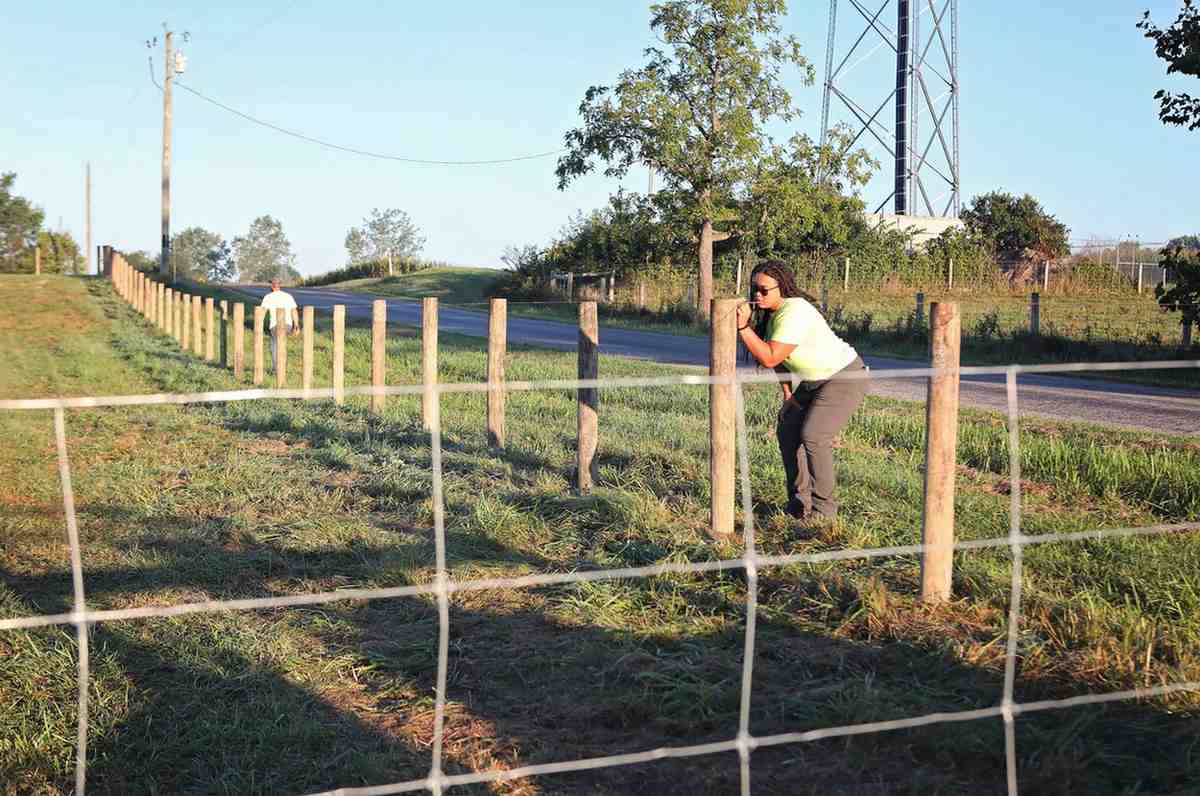
If you’re a homeowner in Ohio thinking about putting up a fence, one of the first questions that comes to mind is: how close can you build a fence to your property line in Ohio?’ It’s a fair question and, honestly, one that trips up a lot of people because the answer isn’t a single number. It depends on where you live, what type of yard you’re fencing, and your local zoning rules.
In this guide, we’ll walk you through everything you need to know from Ohio’s Line Fence Law to city-specific setback rules, permit requirements, HOA rules, and how to handle neighbour disputes. By the end, you’ll have a clear picture of exactly what you can and can’t do before that first post goes in the ground.
What Ohio State Law Says About Fence Placement
Ohio doesn’t have a single statewide rule that says “you must build X feet from the property line”. Instead, the state gives municipalities the authority to set their own fence placement rules through local zoning codes.
What Ohio does have is the Ohio Line Fence Law (Ohio Revised Code Chapter 971), which was updated in 2008. This law primarily governs fences built on the shared boundary line between two rural or agricultural properties in unincorporated areas. It covers rights, responsibilities, and cost-sharing between neighbours for those boundary fences.
However, and this is important, the Line Fence Law does not apply to most single-family homes in cities like Columbus, Cleveland, Cincinnati, or other incorporated areas. If you live in a platted subdivision or within city limits, your local zoning ordinance is what controls fence placement, not the State Line Fence Law.
Ohio Fence Setback Requirements: What’s Typical City by City
Since Ohio leaves fence placement rules to individual municipalities, the requirements vary widely across the state. Here’s a look at what some major Ohio cities and areas allow:
Columbus: In Columbus, fences up to 6 feet tall can generally be placed in side and rear yards without a building permit. Front yard fences face strict vision clearance rules and are typically limited to around 30 inches in height. The city does not locate property lines for you; it’s your responsibility to know your boundaries before building.
Toledo: Toledo allows fencing to be installed directly on the property line at the appropriate height. There is no minimum setback requirement from the property line for fencing in Toledo, making it one of the more flexible cities in Ohio.
Wilmington, Ohio: Fencing up to 7 feet tall is allowed in side or rear yards. Front yard fences are limited to 4 feet and must be of an ornamental design. No minimum setback from the property line is required for fencing here.
Greater Cleveland / Northeast Ohio: Setback requirements and height limits vary significantly across Cleveland’s suburbs. Most residential zones follow a general rule of 4 feet for front yards and 6 feet for side and rear yards, but always verify with your specific city or township zoning office.
General Rule of Thumb Across Ohio:
- Front yard: 3 to 4 feet maximum height; may require a setback from the sidewalk or street right-of-way
- Side yard: Up to 6 feet, often with no setback required
- Rear yard: Up to 6 to 7 feet, often placed right at the property line
Can You Build a Fence Directly on the Property Line in Ohio?
Yes, in many Ohio municipalities, you can place a fence right on your property line. But this depends entirely on your local zoning code. Some cities, like Toledo, explicitly allow it. Others, like certain Columbus neighbourhoods, require a small setback or neighbour agreement before placing a fence on a shared boundary.
Before assuming you can build on the line, always confirm two things:
- Where your property line actually is. A professional property survey (typically $400–$800) is the only reliable way to confirm your exact boundary. Incorrect assumptions about property lines are the cause of the majority of fence disputes in Ohio.
- What your local zoning code says. Call your municipal building or zoning office and ask specifically about fence setbacks in your zoning district.
If a fence is placed even one inch on your neighbour’s land without consent, your neighbour has the legal right to demand its removal. It doesn’t matter if it was unintentional.
Do You Need a Permit to Build a Fence in Ohio?
Under Ohio’s Residential Code, a building permit is not required for a fence that is 6 feet or less in height. Once you go over 6 feet, the fence is classified as a structure and requires a building permit along with inspections.
But here’s the catch many homeowners miss: a building permit and a zoning permit are two different things. Even if you don’t need a building permit, you may still need a zoning permit or zoning approval before putting up your fence.
In cities like Westerville, anyone who wants to erect a fence must first obtain permission from the Department of Planning and Development. Always call your local building and zoning office to confirm what’s required for your specific property.
What You’ll Generally Need Before Building:
- Confirmation of your property line (ideally via a professional survey)
- A check of your local zoning code for setback and height rules
- A zoning permit (if required by your municipality)
- HOA approval (if your community has a homeowners association)
Ohio Fence Height Restrictions by Zone
Height restrictions are one of the most strictly enforced aspects of fence regulations in Ohio. Here’s a general breakdown:
| Location | Typical Maximum Height in Ohio |
|---|---|
| Front yard | 3 to 4 feet |
| Side yard (next to street on corner lots) | 4 feet |
| Side yard (interior) | 6 feet |
| Rear yard | 6 to 7 feet |
| Over 6 feet anywhere | Requires building permit |
Always check your specific municipality; these numbers are typical, not universal.
HOA Rules and Ohio Fence Laws: A Layer You Can’t Ignore
If you live in a homeowners’ association community, HOA rules add another layer on top of city and state codes. Ohio has no state law limiting HOA authority over fences, which means your HOA’s covenants can restrict fence height, materials, color, and style far more aggressively than city zoning codes.
Common HOA restrictions in Ohio include:
- No chain-link fences allowed
- Height limits of 4 feet even in backyards
- Required colors or stain finishes
- Mandatory architectural committee approval before construction
HOA communities are particularly common in Columbus suburbs like Dublin, Westerville, New Albany, and Powell, as well as Cleveland-area suburbs like Solon, Hudson, and Avon.
Pro tip: Get written approval from your HOA’s architectural review committee before you order materials or break ground. A permit from the city does not mean your HOA has approved the fence.
Ohio’s Line Fence Law: Shared Boundary Fences in Rural Areas
If your property is in an unincorporated, rural area of Ohio, the Line Fence Law does apply to you. Here are the key things to know:
- The law grants a neighbour the right to enter up to 10 feet onto your property to construct or maintain a line fence along the shared boundary.
- Cost-sharing rules apply based on when the fence was built. Fences built before the 2008 revision fall under an “equitable shares” rule where each owner pays their fair share. Newer fences follow the “rule of individual responsibility”: the person who wants the fence pays for it, though reimbursement can be sought.
- You must give notice to your neighbour before erecting a fence on or near the boundary line in a rural area.
- Criminal penalties exist for obstructing someone who is lawfully building or maintaining a line fence under this law.
Utility Easements and Corner Lots: Two Things People Miss
Two situations catch Ohio homeowners off guard more than any other when building fences:
Utility Easements: You cannot build a fence within a recorded utility easement without written permission from the utility company. If your fence blocks a utility company’s access, they can remove or modify it at your expense. Before building, check your deed and local records for any recorded easements running through your property.
Corner Lots: If your property sits on a corner, additional restrictions apply to ensure drivers have clear sight lines at the intersection. Many Ohio municipalities restrict fence height within 30 feet of a corner to avoid blocking traffic visibility. Chain link and solid privacy fences are often restricted near intersections entirely.
What Happens If Your Neighbour Builds on Your Property?
If your neighbour builds a fence that encroaches on your land, even by just a few inches, you have legal options in Ohio:
- Talk to your neighbour first. They may not realize the fence is on your property. A calm conversation and a look at the survey can often resolve the issue quickly.
- Hire a licensed surveyor to officially mark the property lines.
- Pursue legal action if the neighbour refuses to move the fence. Ohio courts can order removal or award damages.
Also be aware: Ohio allows adverse possession after 21 years of unchallenged occupation of land. If a fence has encroached on your property for over 21 years and you’ve never objected, you could potentially lose that strip of land.
FAQs: Ohio Fence and Property Line Questions
Can I build a fence right on my property line in Ohio?
In many Ohio cities, yes, you can place a fence directly on your property line, but it depends on your local zoning code. Cities like Toledo explicitly allow it with no setback requirement. Others require a small setback or neighbour agreement. Always confirm with your local zoning office and get a professional survey to verify where your property line is before building.
Do I need my neighbour’s permission to build a fence in Ohio?
If the fence is entirely within your own property, you generally do not need your neighbour’s permission. However, if the fence is a partition or line fence placed directly on the shared property boundary, neighbour consent is required under Ohio’s Line Fence Law. Deed restrictions and HOA rules may also require neighbour or HOA approval regardless of fence placement.
How tall can a fence be in Ohio?
In most Ohio residential areas, fences in the backyard can be up to 6 feet tall without a permit, and front yard fences are typically limited to 3 to 4 feet. Fences over 6 feet tall are classified as structures and require a building permit statewide. Exact limits vary by municipality, so always check your local zoning code.
Final Thoughts: Do Your Homework Before You Dig
Building a fence in Ohio isn’t complicated, but it does require doing a bit of legwork before you start. Know your property line, check your local zoning code, pull any required permits, and if you’re in an HOA, get written approval before anything goes in the ground.
There is no single statewide rule for how close you can build a fence to your property line in Ohio. It varies by city, yard location, and zoning district. The safest move is always to call your local zoning office, confirm your property boundaries with a survey, and talk to your neighbour before construction begins.
A well-placed, properly permitted fence protects your privacy, adds value to your home, and keeps neighbour relationships on good terms. Get it right from the start, and you’ll have a fence that stands strong, legally and physically.