Yes, a fence can increase home value, but usually not dollar for dollar. In most cases you get back only a portion of what you spend, and the biggest benefit often shows up as stronger buyer interest rather than a much higher appraisal. How much a fence helps depends on your neighborhood, the style you choose, and the condition it is in when you sell.
If you are planning a fence before listing your home, or wondering whether the one you already have will pay off, this guide explains how fences are actually valued. It also covers what separates a fence that helps from one that doesn’t.
How Much Value Does a Fence Add to a Home?
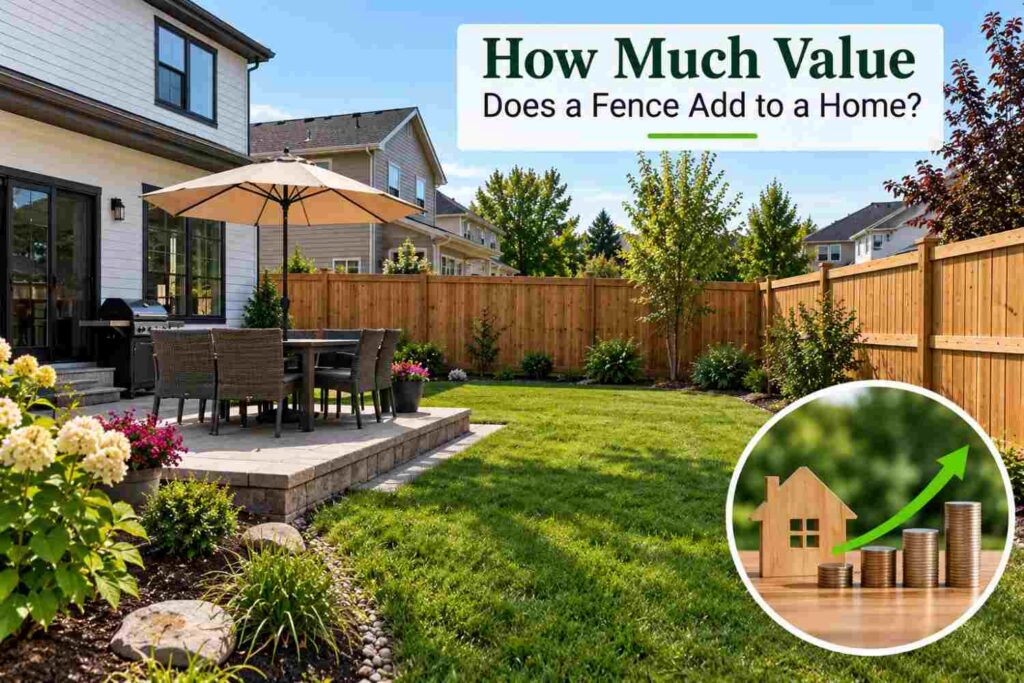
A fence rarely returns its full cost at resale. Commonly cited national estimates suggest homeowners recover somewhere between roughly a third and two-thirds of the installation cost, with about half being a typical figure. These are national averages, so your result in Ohio will depend on your town, your street, and the local market.
As a simple example, not a promise, a $10,000 fence that returns about half its cost would add around $5,000 at sale. That is a partial return, which is why a fence is best seen as an upgrade you enjoy while you live there and that also helps the home show better later. Fences planned around the property and how it is used tend to hold their appeal best, which is the idea behind our fencing for Ohio homes.
The takeaway is simple. Don’t build a fence expecting resale to cover the bill. Build it because it improves how your yard works, and count any resale benefit as a bonus.
Does a Fence Increase Appraisal Value?
It can, but modestly. An appraiser usually treats a fence as a site improvement and values it based on what buyers in your area would pay for it, not on what you paid. Like most exterior improvements, a fence also loses value as it ages.
There is no fixed formula. One appraiser may add a small amount, and another may not give the fence a separate line at all. Don’t expect the appraised value to rise by the amount on your invoice.
Condition matters here more than most homeowners expect. Ohio’s freeze-and-thaw cycles, heavy rain, and summer heat all put stress on posts and boards. It helps to understand how Ohio weather wears fences before deciding whether to repair or replace an older one.
Why Buyers Still Notice a Fence
Even when the appraisal barely moves, buyers react to a fenced yard. Without a fence, a buyer has to think about hiring a surveyor, checking permits and HOA rules, choosing materials, and scheduling a contractor after closing. A finished fence removes that work and lets them picture moving in.
A fence also solves everyday needs. Buyers with dogs or young children want a safe, enclosed yard, and many want privacy for outdoor dining or play. Fences tend to matter more on closely spaced lots and in areas where fenced backyards are common. If most homes on your street already have one, a home without it can stand out for the wrong reason.
When a Fence Adds Little or No Value
A fence won’t help much and can even hurt when it doesn’t fit the home or the street. Open-yard neighborhoods where fences are unusual, styles that clash with the house, and overbuilt fences that cost more than anything nearby rarely earn their cost back.
Condition is the other big factor. A fence that is damaged, faded, or sagging suggests deferred maintenance, and buyers notice. A post that has started to tilt is a common example, and understanding why leaning fences lose appeal helps you decide whether a repair is enough before you list.
Rules matter too. A fence built without a required permit, or one that conflicts with HOA or local requirements, can become a problem during a sale. Confirm what applies to your property before construction starts.
Choosing a Fence That Protects Resale Value
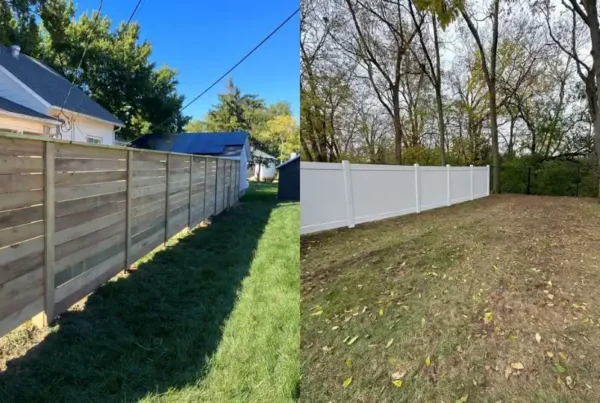
If you are deciding what to build, the goal is a fence buyers see as an asset. It should match the home, suit how the yard is used, and hold up over time. Material is a big part of that decision. Wood gives a classic look but needs upkeep, while vinyl costs more upfront and asks for less maintenance, so weighing wood against vinyl options is worth doing before you commit.
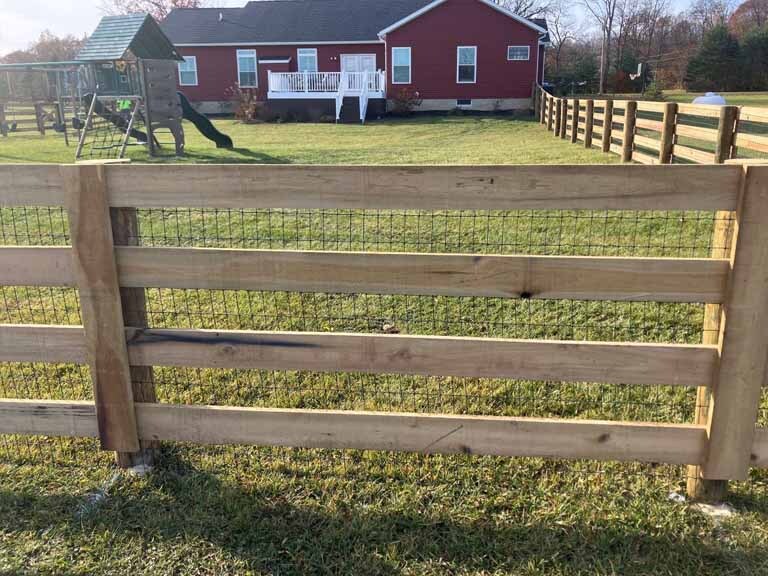
Privacy level is the next choice. A solid design gives the most seclusion, while a semi-private design keeps some openness and can feel lighter from the street. Looking at full versus partial privacy options helps you pick what suits your lot and your neighbors.
Budget shapes everything else. Rather than chasing the lowest quote, compare what you get at each level, from materials and height to gates. A look at what different fence budgets cover helps you set a realistic number before you request quotes.
Getting the Fence Installed Right
Once you have decided to build, installation quality decides whether the fence helps or hurts. Straight lines, solid posts, level gates, and clean finishing all show up in listing photos and showings. Before you sign anything, go through these questions to ask before hiring so you can compare contractors fairly.
It also pays to check a contractor’s track record. State guidance on hiring home improvement contractors recommends getting several written estimates, asking for references and proof of insurance, avoiding large down payments, and putting every promise in writing. The Ohio Attorney General’s hiring tips cover these steps in more detail.
Most expensive problems start during the build, not after it. Poor layout, weak posts, and skipped planning steps are common causes, and knowing about avoiding costly installation errors early keeps small oversights from turning into repairs.
If you plan to sell, finish the fence and any repairs before photos and showings. That way the fence is a selling point and not a loose end.
FAQs
Does a fence increase appraisal value?
It can, but usually by a small amount. Appraisers value a fence by what the local market would pay for it, not by what it cost to build.
How much value does a fence add to a house?
National estimates suggest you recover roughly a third to two-thirds of the installation cost at sale, with about half being a common figure. Results vary by neighborhood, fence style, and condition.
Do appraisers look at fences when valuing a home?
Yes. Appraisers can factor in a fence, especially when it improves privacy, security, or curb appeal. The effect on the final number is usually modest.
Thinking about a fence and want to know what fits your property? Talk through